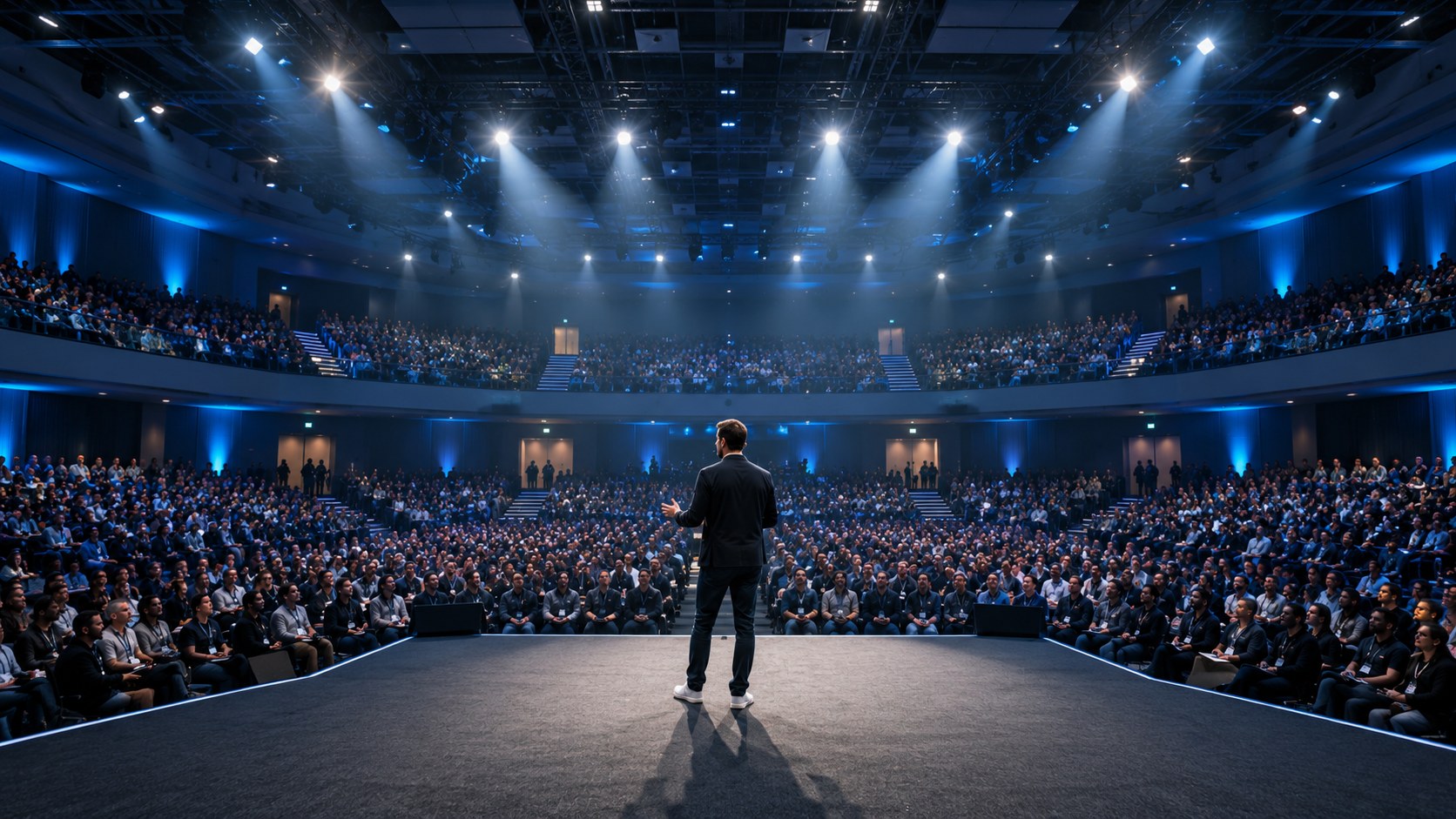
Thought leadership and op-eds for chief executives.
Emirali Advisory helps chief executives and senior leaders set out a clear, informed view on the issues in their sector. We write op-eds and articles in the leader's voice and place them where politicians, investors and customers read.
What is thought leadership?
Thought leadership is published work in which a senior leader sets out an informed view on an issue that matters to their industry, customers or policymakers. It includes op-eds, articles, reports, speeches and posts. Good work of this kind adds new evidence or experience to a debate. Readers can tell when an article is advertising, and editors usually reject it.
For a chief executive, a body of credible published work builds trust before it is needed. Journalists, ministers, investors and recruits often read what a leader has written before they meet them. AI tools and search engines also draw on published articles when they describe a person or company.
What makes CEO thought leadership credible
- A clear position. The piece argues for something specific, such as a policy change, a new standard or a different way of working. A general comment on a trend gives the reader nothing to remember.
- Evidence the reader cannot get elsewhere. The best material comes from the leader's own experience, the company's own data or what customers are telling them.
- Relevance to the reader. A piece for a policy audience explains what government should do. A piece for a trade audience explains what peers should do.
- Honesty about interests. Readers and editors expect the author's commercial interest to be clear. Hiding it damages trust in the author and the title.
- Consistency over time. One article rarely changes how a leader is seen. A steady series of pieces on the same small set of themes does more.
- The leader's own voice. The words must sound like the person who signs them. They must also be ready to defend every line in an interview.
How op-ed writing works in the UK press
Comment editors at national and business titles receive far more submissions than they can publish. A piece has the best chance when it follows the way comment desks work:
Find the argument
We interview the leader to find a view that is new, timely and defensible. We test it against recent coverage so it adds to the debate.
Choose the title
We match the argument to the readership: a national paper, a business title, a trade publication or a policy website. Most comment pages expect a piece offered to them alone, so we approach one title at a time.
Pitch
We send the comment editor a short summary of the argument, why it matters now and why the author is qualified to make it.
Draft
We write to the length and style the title publishes, often between 600 and 900 words for a national comment page. Every claim is checked and sourced.
Sign-off
The leader approves the final text. For listed companies, we check with the legal or company secretarial team that the piece does not disclose inside information under the UK Market Abuse Regulation.
Use it again
After publication, we share the piece on LinkedIn and with stakeholders, and we add it to the leader's biography and website.
Formats we write for leaders
- Op-eds. Comment pieces for national, regional, business and trade titles.
- Bylined articles and columns. Longer pieces for trade and policy titles, and regular columns where an editor offers one.
- LinkedIn articles and posts. Shorter pieces that reach peers, staff and recruits directly. Our LinkedIn ghostwriting service covers this in more detail.
- Reports and policy papers. Research based on company or survey data, presented with clear recommendations for government or industry.
- Speeches and panels. Keynote speeches and conference panels that set out the same argument in person.
- Consultation responses. Formal responses to government and regulator consultations, which are often published and read closely by officials.
What does a thought leadership agency do?
A thought leadership agency helps a leader decide what to say, writes it with them and finds the right place to publish it. At Emirali Advisory this work is part of our executive communications counsel. It is planned alongside the leader's speeches, media interviews and political engagement, so each piece supports the others.
We start with the issues where the leader has real authority and something useful to add. We then agree a small number of themes and a plan for the year, built around results dates, conferences, parliamentary activity and the news calendar. We review what has been published and how it was received, and we change the plan when the debate moves.
Why leaders choose Emirali Advisory
- Written by people who write for the press. Our founder, Leon Emirali, has written for The Times, The Telegraph and City AM. Our senior associates include former tabloid and broadsheet journalists.
- Political understanding. Leon was Chief of Staff to a Cabinet minister, Rt Hon Steve Barclay MP, and advised Theresa May's Downing Street team on communications in 2018. We know what ministers and officials read.
- Broadcast experience. Leon is a regular commentator on BBC News, Sky News, ITV, GB News and Good Morning Britain. A strong article often leads to interview requests, and we prepare leaders for them.
- Trusted by senior leaders. We have advised leaders from Aston Martin, easyJet, Virgin Galactic, HM Government, the Premier League and Nissan. You deal directly with senior advisers, not account teams.
Questions from leaders about publishing
What is an example of thought leadership?
A chief executive of an energy company writing a national newspaper comment piece that argues for a specific change to grid connection rules is an example. The piece draws on the company's own experience, explains the problem with evidence and proposes a solution. It is useful to readers even if they never buy from the company.
Who writes a chief executive's op-eds?
Many chief executives work with a writer or adviser. The adviser interviews the leader, drafts the piece in their voice and checks the facts. The leader shapes the argument and approves the final text. The views must be the leader's own, because they will be asked to defend them in public.
How long should an op-ed be?
Length depends on the title. National newspaper comment pieces are often between 600 and 900 words. Trade titles and policy websites may accept longer pieces. Always check the title's published guidance or ask the comment editor, and write to the length they set, because editors rarely have time to cut a long submission.
Can you guarantee publication in a national newspaper?
No. Comment editors decide what they publish, and no honest adviser can guarantee a placement. We improve the chances by finding a strong, timely argument, choosing the right title and writing to its style. If one title declines, we can offer the piece to another or adapt it for a different format.
How often should a chief executive publish articles?
There is no fixed rule. Most leaders do better with a steady rhythm, such as a substantial article every one or two months and shorter LinkedIn posts in between. Consistency on a few themes matters more than volume. Publishing too often on too many subjects makes it harder for readers to know what the leader stands for.
Does thought leadership affect what AI tools say about a leader?
It can. AI assistants such as ChatGPT, Gemini, Claude and Perplexity draw on published sources when they describe people and companies. Accurate articles in respected titles give these tools better material. No one can control what an AI tool says, but a body of authoritative published work makes a fair description more likely.
Is working with you confidential?
Yes. Every enquiry is treated in confidence from the first conversation. Articles are published under the leader's own name and approved by them before they are sent to any editor. We are happy to sign a non-disclosure agreement before you share any detail.
More executive communications services
Senior counsel,
on your side.
Tell us what you need. A senior adviser will reply promptly.
020 3984 8541amber@leonemirali.com