Media training for broadcast, print and Parliament.
Emirali Advisory prepares chief executives and senior spokespeople for live broadcast, print and podcast interviews and for select committee hearings. Sessions are run by advisers with long experience on air and inside government.
What is media training?
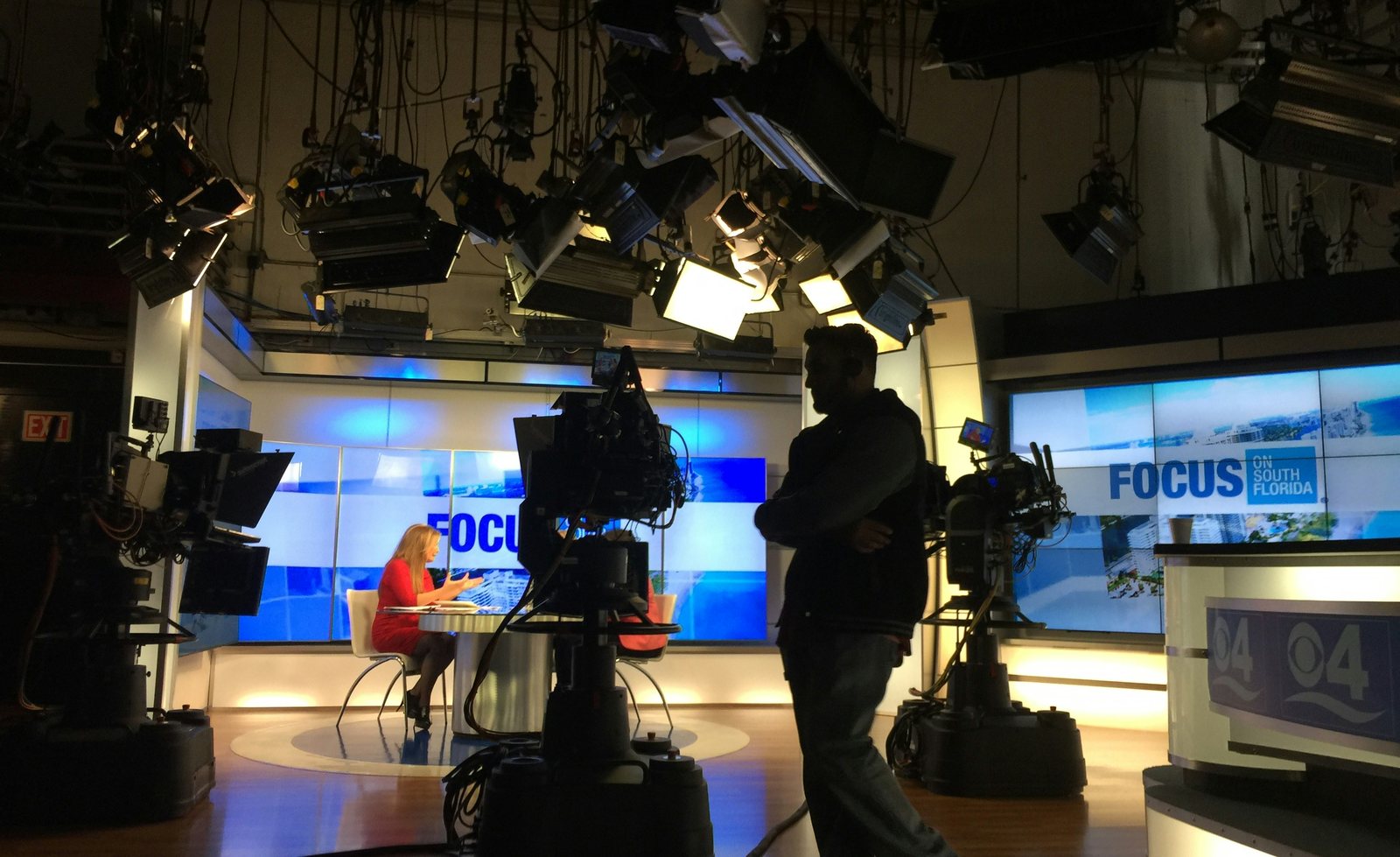
Media training is practical preparation that helps a spokesperson give clear, accurate and confident interviews to journalists. It covers how interviews work, how to prepare key messages and how to answer difficult questions. Most of the time is spent in realistic mock interviews, recorded and played back, with direct feedback from experienced interviewers.
The aim is to help the spokesperson sound like themselves on their best day. They should be able to explain their position in plain language, stay accurate under pressure and avoid the answers that become the headline for the wrong reasons.
What executive media training covers
- How journalists work. What a reporter, producer and editor each need, how stories are chosen and why deadlines shape the questions.
- Key messages. Three or four points the spokesperson wants the audience to remember, each backed by a fact or example.
- Interview formats. Live studio, down-the-line, pre-recorded, radio phone-in, print, podcast and doorstep interviews. Each has different risks.
- Difficult questions. Hypotheticals, either-or questions, repeated questions and long silences. We practise answering the question asked and then returning to the main point.
- Terms of engagement. What on the record, background and off the record mean. Journalists and outlets can interpret these terms differently, so we advise agreeing them clearly before a conversation starts.
- Presence on camera. Pace, posture, eye line and dress, so the delivery supports the message.
- Clips and social media. Any short answer may be cut and shared online. We practise answers that still make sense when heard on their own.
How our media training courses run
Briefing
Before the session we agree the spokesperson's role, upcoming media opportunities and the issues they are most likely to face. We prepare scenarios based on real stories in their sector.
Principles
A short session on how the media works today and what makes a good interview.
Mock interviews
A series of recorded interviews in different formats, run by former journalists and broadcasters. They become harder as the session goes on, including a hostile interview.
Playback and feedback
We watch each recording together and agree specific changes. The spokesperson then tries again.
Notes
After the session, the spokesperson receives written feedback, their key messages and a set of prepared answers to difficult questions.
Courses can be run for one person or a small senior team, in London, at the client's offices or online.
Select committee preparation
Chief executives are often asked to give evidence to House of Commons and House of Lords select committees. A committee can formally require a witness to attend. Sessions are usually broadcast on Parliament's website, and a transcript is published. Answers can be quoted in the press the same day.
Evidence to a committee is protected by parliamentary privilege, but misleading a committee can be treated as a contempt of Parliament. Preparation therefore focuses on accuracy as much as presentation. We help witnesses to:
- Understand the committee. The inquiry's terms of reference, the members' interests and previous evidence from other witnesses.
- Agree positions. Prepare answers to likely questions, agreed with the organisation's lawyers and in-house team.
- Rehearse. Practise under realistic questioning from a panel, including members who press hard on a single point.
- Follow up. Provide any promised information on time, and correct the record in writing to the committee if an answer was wrong.
When is CEO media training needed?
- On appointment. Before the first interviews as chief executive, when journalists will test the new leader's grasp of the business.
- Before results or a major announcement. Results days, deals and restructuring bring short, demanding interviews that must stay consistent with the formal announcement.
- Before a crisis. A spokesperson who has practised hostile interviews is better prepared if a serious story breaks.
- Before a select committee. Committee preparation should start as soon as an invitation arrives.
- As a refresher. Experienced spokespeople also benefit from regular practice, especially when the issues in their sector change.
Media training London: why leaders choose Emirali Advisory
- Trainers who are on air. Our founder, Leon Emirali, is a regular commentator on BBC News, Sky News, ITV, GB News and Good Morning Britain, with more than 250 hours of live television.
- Former journalists in the room. Our senior associates include former tabloid and broadsheet journalists, former BBC broadcasters and media lawyers.
- Experience of training others. Leon has led media training for a leading UK PR and public affairs agency. He has trained senior leadership teams on LinkedIn and on panel and public speaking.
- Inside knowledge of Westminster. Leon was Chief of Staff to a Cabinet minister and managed crises inside Westminster through Brexit and the pandemic. He has advised leaders from Aston Martin, easyJet, Virgin Galactic, HM Government, the Premier League and Nissan.
Questions about interview and committee preparation
How long does a training session take?
A session for one senior spokesperson often runs for half a day. This allows time for a short briefing, several recorded mock interviews and playback. A full day suits small groups or leaders preparing for a specific, high-risk interview. Select committee preparation may need more than one session, depending on the scope of the inquiry.
Can training be done online?
Yes. Online sessions work well, because many broadcast and radio interviews are now done remotely by video link or phone. Practising on the same equipment the spokesperson will use helps them check their camera position, lighting, sound and background. Some leaders combine online sessions with a final rehearsal in person.
What does off the record mean?
Off the record usually means the information may not be published or attributed to the source. On background usually means it can be used but not attributed by name. Journalists and outlets do not always define these terms in the same way, so a spokesperson should agree the terms clearly before the conversation starts.
Do experienced spokespeople still need training?
Often, yes. Interview formats, social media and the issues facing each sector change over time. Experienced leaders can also develop habits that work against them, such as long answers or heavy jargon. A refresher session with recorded practice and direct feedback helps them stay sharp before important interviews.
What is a select committee and do I have to attend?
A select committee is a group of MPs or peers that examines government policy, public bodies and matters of public interest. Committees invite witnesses to give evidence in public sessions. If a witness declines, a committee can formally require them to attend. Evidence is broadcast and published, so careful preparation is sensible.
What rules apply to broadcast interviews in the UK?
UK broadcasters must follow the Ofcom Broadcasting Code. Its fairness rules mean contributors should normally be told the nature of the programme and their role in it. People facing significant allegations should normally have a proper opportunity to respond. Knowing these rules helps a spokesperson ask the right questions before agreeing to an interview.
Is training with you confidential?
Yes. Every enquiry and every session is treated in confidence. We are happy to sign a non-disclosure agreement before the briefing, so spokespeople can practise on sensitive issues freely. Mock interviews often use real scenarios the organisation is worried about, such as a data breach, a regulatory finding or allegations about a senior leader, so confidentiality matters from the start.
More executive communications services
Senior counsel,
on your side.
Tell us what you need. A senior adviser will reply promptly.
020 3984 8541amber@leonemirali.com