Crisis management PR, when journalists are calling.
Emirali Advisory provides crisis management PR to chief executives and boards across the UK. We prepare your statements and spokespeople, and handle press, broadcast and online coverage while a serious problem is still in the news.
What is crisis management PR?
Crisis management PR is the work of managing media coverage when an organisation faces a serious problem. It covers what the organisation says in public, who says it, when and through which channels. The aim is fair and accurate coverage. It should also leave a public record that the organisation can stand behind once the issue is over.
Media crisis management is one part of a wider crisis response. Operations, legal, HR and finance teams deal with the event itself. Crisis PR deals with how the event is reported. The two must move together, because what is said in public has to match what the organisation is doing and what its lawyers can confirm.
Most of this work happens under time pressure. A newspaper may give a few hours to respond to allegations. A broadcaster may want a spokesperson on air the same evening.
How media crisis management works in the first 48 hours
Establish the facts
We start with what is known, what is not yet known and what is likely to come out. We agree with your lawyers what can be said now.
Issue a holding statement
A short holding statement confirms that you are aware of the issue, explains what you are doing and says when you will give more information. It gives you time to confirm the facts without saying 'no comment'.
Answer journalists' questions
We log every media enquiry, the questions asked and the deadline. We draft answers for sign-off and decide which enquiries need a statement, an off-the-record briefing or a correction of a factual error before publication.
Prepare the spokesperson
We advise on who should speak: the chief executive, a senior operational leader or a written statement only. We then prepare that person with likely questions, hostile questions and clear answers for broadcast and print interviews.
Monitor and adjust
We track coverage, social media, political comment and the questions journalists are asking. We update the lines as the facts become clearer and brief staff, customers and partners so they hear the news from you first.
What good crisis PR looks like
A good crisis PR response usually has these features:
- Accuracy. Every statement is checked against the facts and the legal position. Correcting your own statement later usually creates a second story.
- A clear owner. One person signs off public statements and one spokesperson speaks for the organisation. Different messages from different parts of a business are quickly reported.
- Concern for those affected. Where people have been harmed or inconvenienced, the first words should be about them. Explanations of process come after.
- Respect for deadlines. If you cannot answer by a journalist's deadline, say so and give a time when you will. Silence is often reported as a failure to respond to requests for comment.
- Consistency across audiences. What you tell the media, staff, customers, regulators and investors must match. Messages to staff are often leaked, so write them to be read in public.
- Use of the proper routes for errors. If coverage is wrong, ask the publisher for a correction promptly. Newspapers that belong to IPSO follow the Editors' Code, which requires significant inaccuracies to be corrected with due prominence. Broadcasters must follow the Ofcom Broadcasting Code, which includes rules on fairness.
Crisis PR London: working with the national media
Most national newspapers, broadcasters and political journalists are based in London. A crisis that reaches the national media is reported in a different way from one that stays in the local or trade press.
- National newspapers. Each title has its own news desk, specialist correspondents and deadlines. A story online in the morning can lead to broadcast coverage the same day.
- Broadcast news. Television and radio need a spokesperson or a statement that can be read on air. A short, clear statement is more likely to be used accurately.
- Trade and specialist press. Sector journalists often know the detail better than national reporters. They can be a good place to explain the facts in full.
- Political journalists. If the issue reaches Parliament, Lobby journalists and MPs will ask different questions. These often concern who knew what and when, and what the government will do about it.
For incidents in one place, regional newspapers, radio and television reach the people most affected. We advise organisations across the UK and internationally, and our crisis line, 020 3984 8541, is answered 24 hours a day, every day.
Why choose Emirali Advisory for crisis management PR
- Experience inside government. The firm is led by Leon Emirali, former Chief of Staff to Rt Hon Steve Barclay MP as Brexit Secretary and Chief Secretary to the Treasury. He managed crises inside Westminster through Brexit and the pandemic.
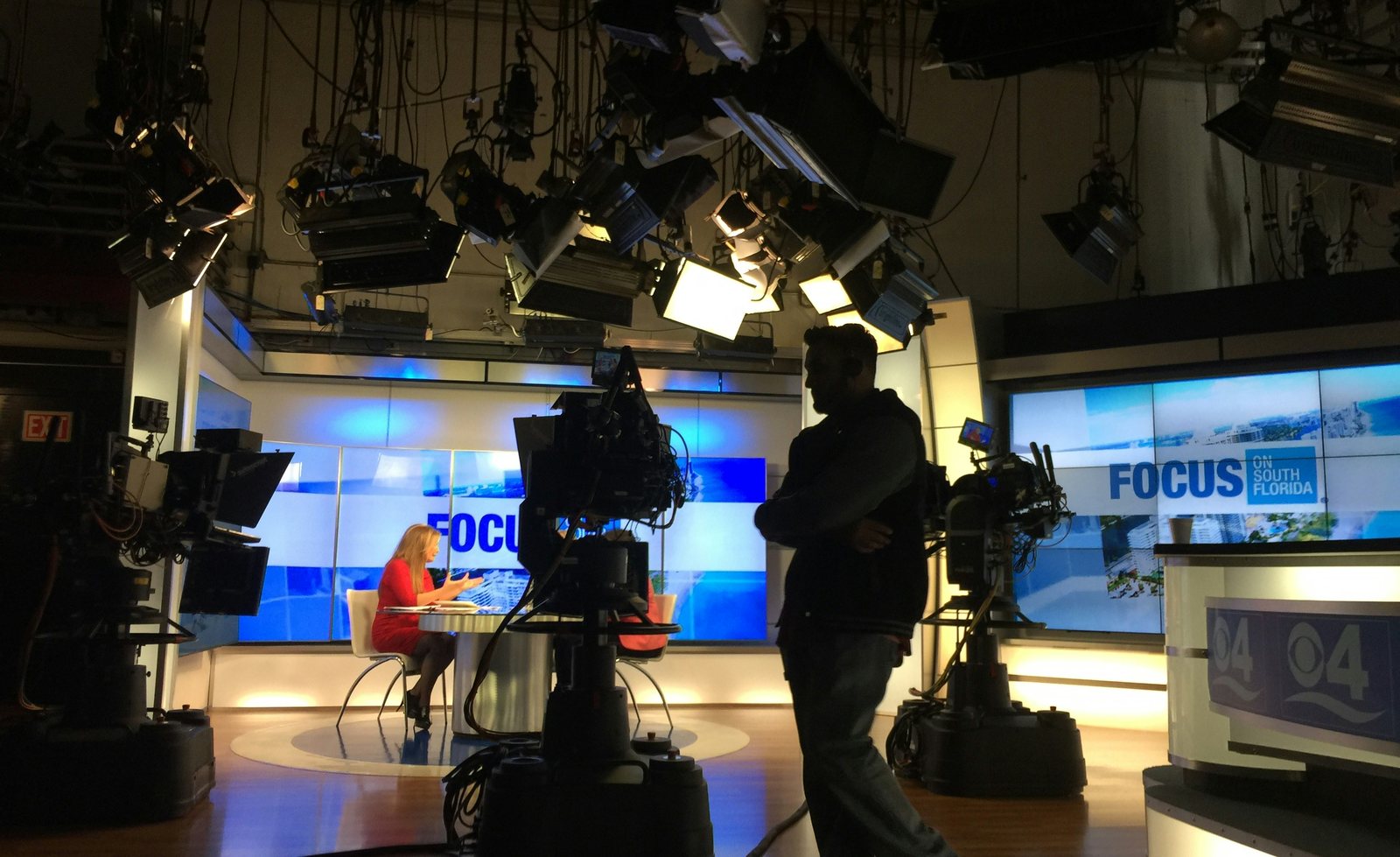
- Experience on air. Leon is a regular commentator on BBC News, Sky News, ITV, GB News and Good Morning Britain, with more than 250 hours of live television.
- Former journalists on the team. Our senior associates include former tabloid and broadsheet journalists, former BBC broadcasters, data analysts and media lawyers.
- Senior advice throughout. You deal directly with senior advisers, not account teams. We work alongside your lawyers, in-house team and existing agencies.
- Trusted by senior leaders. Our founder is listed in the Spear's 500 as a Top Flight reputation manager. He has advised leaders from Aston Martin, easyJet, Virgin Galactic, HM Government, the Premier League and Nissan.
Questions about crisis management PR
What is the difference between crisis PR and ordinary PR?
Ordinary PR seeks coverage for news an organisation wants to share. Crisis PR deals with coverage the organisation did not choose. It focuses on accuracy, legal risk and the people affected. The work is reactive and runs to journalists' deadlines, with statements agreed with lawyers and senior leaders before release.
Should our chief executive give interviews during a crisis?
It depends on the scale of the issue and who is affected. Where people have been harmed, or the issue concerns leadership, the public usually expects to hear from the chief executive. For technical or operational issues, a senior specialist may be better placed. Any spokesperson should be prepared and briefed on the legal position before speaking.
What should we do when a journalist puts allegations to us?
Note the questions and the deadline, and do not answer on the spot. Check the facts, tell your lawyers and agree who will sign off the reply. Respond before the deadline with accurate information. If an allegation is untrue, say so clearly and give evidence where you can. If you need more time, ask for it.
Can a crisis PR adviser stop a story being published?
No adviser can promise that. Where a story is inaccurate, the proper routes are to give the journalist correct information before publication and to ask for your response to be included. Where needed, media lawyers can advise on defamation or privacy. After publication, inaccurate stories can be corrected through the publisher or a regulator such as IPSO.
How do we correct inaccurate coverage?
Contact the publisher first, setting out the specific error and the evidence. Most publishers correct clear factual errors. If they do not, newspapers and magazines that belong to IPSO can be the subject of a complaint under the Editors' Code. Some titles are not IPSO members and run their own complaints processes. Broadcast complaints can be taken to Ofcom.
How much does crisis management PR cost?
Fees depend on the scale of the issue and how long it lasts. We agree the fee before work starts. In a live crisis, work usually begins with a short initial engagement covering the first days. The next stage is agreed once the size of the issue is clear.
More crisis communications services
Senior counsel,
on your side.
For a live crisis, we reply immediately, 24/7.
020 3984 8541amber@leonemirali.com