Crisis communications training for leaders and their teams.
Emirali Advisory provides crisis communications training for boards, crisis teams and spokespeople. Sessions are led by senior advisers and former journalists, and are built around the risks your organisation faces.
What is crisis communications training?
Crisis communications training teaches leaders and their teams how to explain a serious problem to the people who matter, quickly and accurately, while the facts are still unclear. It covers decisions, roles, statements and interviews, so that people know what to do before a crisis starts.
Training builds individual and team skills. A crisis simulation then tests how the team uses those skills together under pressure. We usually recommend training before an exercise. We train four main groups:
- Boards and executive committees. How to make decisions with incomplete facts, who signs off what and when the chief executive should speak.
- The crisis team. Roles, the first hour, the flow of information, the decision log and how to run a crisis meeting.
- Spokespeople. Interview technique for hostile broadcast, print and online interviews.
- Communications teams. Drafting holding statements, handling media enquiries, monitoring coverage and keeping staff and stakeholders informed.
What crisis management training covers
Our crisis management training is built from modules. We choose the modules that fit your risks and your team.
- Structure and roles. Who sits on the crisis team, who decides and who advises. Many UK organisations use a strategic, tactical and operational structure, similar to the gold, silver and bronze model used by the emergency services.
- The first hour. How to establish the facts, alert the right people and issue a holding statement before others set out their version of events.
- Holding statements and sign-off. How to write a short, accurate statement and get it approved quickly by the legal team, the executive and, where needed, the board.
- Legal and regulatory limits. What can be said once legal proceedings are active under the Contempt of Court Act 1981. How listed companies must disclose inside information under UK market abuse rules. When a personal data breach must be reported to the ICO under UK GDPR.
- Staff and stakeholders. How to tell staff, customers, investors, regulators and government in the right order, with consistent messages.
- Social media and AI. How to monitor online reaction, when to respond and how to deal with false claims, including content made with AI tools.
Crisis media training for spokespeople
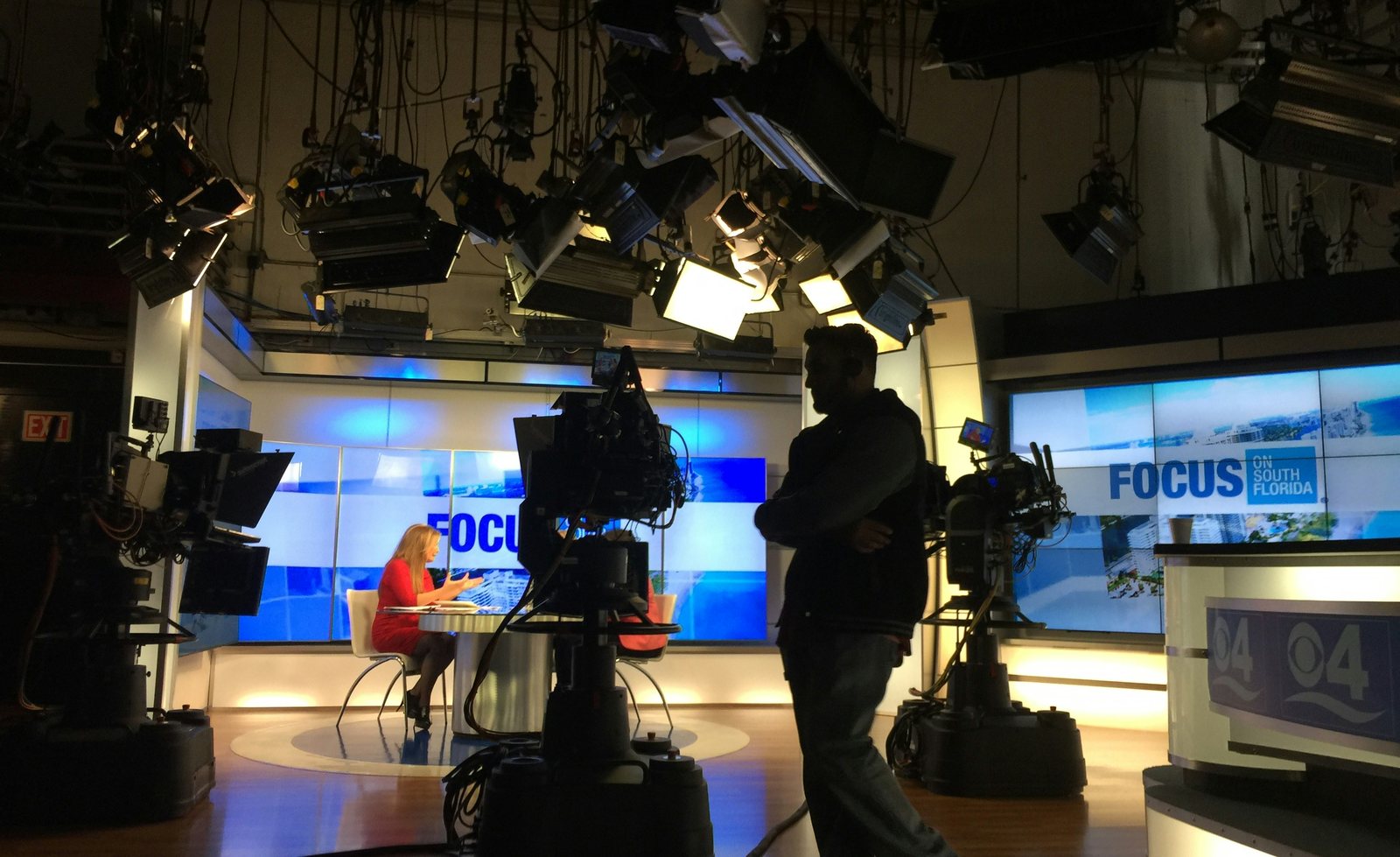
In a crisis, a poor interview can become the main story. Crisis media training prepares the chief executive and other spokespeople for the hardest questions they are likely to face. Former journalists and broadcasters run the sessions. Each interview is recorded so that participants can watch it back and improve. We cover:
- Hostile broadcast interviews. Live and recorded television and radio interviews, in the studio and down the line.
- Doorstep interviews. Unplanned questions outside a home, an office or a court.
- Statements to camera. Delivering a statement and taking questions without going beyond the agreed position.
- Select committee hearings. Preparation for giving evidence to a parliamentary select committee, where members can ask about any part of the business.
We also offer media training for interviews outside a crisis, such as results days and product launches.
How our training works
Briefing
We speak to you about your organisation, your main risks and any recent issues. We agree who should attend and what they should be able to do afterwards.
Material written for you
We write scenarios, draft statements and interview questions based on your sector and the risks you face.
Teaching and practice
Short teaching sessions are followed by practical drills. Participants draft statements against a deadline and take part in recorded interviews.
Feedback
Each participant receives direct and specific feedback. The organisation receives a written summary with recommended changes to its crisis plan.
Refresher sessions
We recommend shorter refresher sessions at least once a year and after changes to the team. Training can be followed by a crisis simulation to test the plan.
Why choose Emirali Advisory to train your team
- Experience of real crises. Training is led by Leon Emirali, a former Chief of Staff to Rt Hon Steve Barclay MP as Brexit Secretary and Chief Secretary to the Treasury. He managed crises inside Westminster through Brexit and the pandemic.
- Broadcast experience. Leon is a regular commentator on BBC News, Sky News, ITV, GB News and Good Morning Britain, with more than 250 hours of live television.
- An experienced trainer. He has led media training for a leading UK PR and public affairs agency. He has trained senior leadership teams on LinkedIn and on panel and public speaking.
- Journalists and lawyers. Our senior associates include former tabloid and broadsheet journalists, former BBC broadcasters and media lawyers.
- Senior and confidential. You deal directly with senior advisers, not account teams. All training is confidential, and we work alongside your lawyers and in-house team.
Questions about crisis training
Who should attend crisis communications training?
Anyone with a role in a crisis response. This usually includes the chief executive and executive committee, the general counsel, the communications team and the people named as spokespeople. Regional or site managers often benefit too, because they may be the first to face a journalist or a worried customer when something goes wrong.
What is the difference between crisis management training and crisis communications training?
Crisis management training covers the whole response to an incident, including roles, decision-making, operations and business continuity. Crisis communications training focuses on what the organisation says, to whom, when and through which spokesperson. The two overlap, and many organisations train both together so that decisions and communications are made by the same team.
How long is a crisis training session?
Most sessions run for half a day or a full day. Spokesperson training is often one to one or in small groups, so that each person has time for several recorded interviews. Training for a full crisis team can be split into shorter sessions over several weeks to fit around the business.
How often should crisis training be repeated?
Most organisations repeat crisis training at least once a year. It is also sensible to train again after a change in the leadership team, a new spokesperson, a merger or a near miss. Short refresher sessions help people keep their skills, and a crisis simulation can then test the team as a whole.
Do you prepare people for select committee hearings?
Yes. We prepare chief executives and senior leaders to give evidence to parliamentary select committees. This includes briefing on the committee and its members, likely lines of questioning, practice sessions with hostile questions and advice on written evidence. Our founder has worked inside Westminster as Chief of Staff to a Cabinet minister.
Where does the training take place?
We are based in London and train teams across the UK and internationally. Sessions can take place at your offices, at a venue or by video. Recorded interview practice works best in person, but online sessions suit spokespeople who are spread across several sites or countries.
How much does crisis training cost?
The fee depends on the number of participants, the number of sessions and how much material is written for your organisation. We agree the scope and the fee in writing before any work starts. To discuss what you need, call 020 3984 8541 or email amber@leonemirali.com.
More crisis communications services
Senior counsel,
on your side.
For a live crisis, we reply immediately, 24/7.
020 3984 8541amber@leonemirali.com